

Vending Machine Side Hustle: 2026 AI Business Guide
A vending machine can be a side business, but it is not passive income. The workable version is a small unattended-retail operation with a validated location, measurable unit economics, reliable equipment, a planned refill route, and clear rules for when to scale or stop.
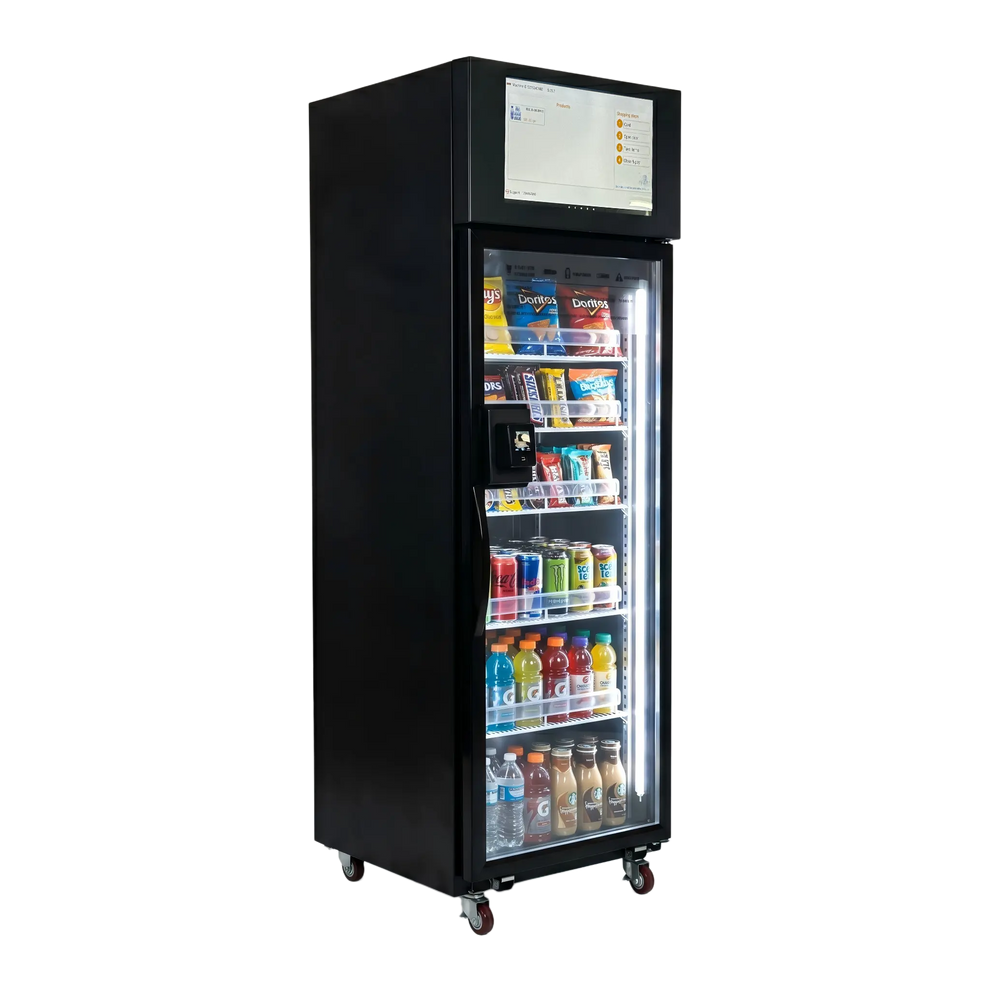
Pilot first: validate demand, contribution margin, refill time, payment reliability, and service burden before adding locations.
Direct answer: vending machines can be a good side hustle when one operator can support a compact route and the locations produce enough contribution margin to cover equipment, products, payment fees, venue costs, losses, travel, maintenance, financing, tax, and the operator's time. A machine is a retail endpoint, not a guaranteed income asset.
AI vending machines can reduce some routine work through cashless checkout, remote inventory visibility, alerts, price updates, and sales reporting. They do not remove location risk, replenishment, customer support, food-safety duties, local compliance, or equipment service.
Is a Vending Machine a Good Side Hustle?
It can be a reasonable fit for someone who is comfortable operating physical retail: negotiating placement, buying inventory, moving product, monitoring equipment, resolving refunds, keeping records, and visiting sites on schedule. It is a poor fit for someone seeking income without recurring operational work.
Stronger fit
You have access to potential locations, can visit them reliably, understand local buyers, have working capital beyond the machine purchase, and are willing to run a measured pilot before expanding.
Weaker fit
You need immediate cash flow, plan to finance every cost without a reserve, cannot respond to service issues, or are choosing a machine before validating products, site access, power, connectivity, and venue terms.
Where AI helps
Connected systems can expose sales, stock status, alerts, and pricing remotely. Camera- or sensor-based checkout may also support an open-shelf shopping experience, subject to the selected configuration and site conditions.
What remains manual
Product sourcing, replenishment, expiry control, cleaning, merchandising, physical inspection, chargeback or refund handling, tax records, and venue relationships remain operator responsibilities.
Before deciding, compare the machine category with the location and merchandise. A smart cooler may suit fresh food and open-shelf browsing; a coil or elevator machine may suit packaged products with controlled delivery. The AI vending machine pros and cons guide explains the broader trade-offs.
Decision rule: treat the first machine as a testable retail unit. Buy only after you can describe the buyer, the products, the site, the route, the support plan, and the downside case.
How to Model Vending Machine Side-Hustle Profit
Start with contribution margin, not revenue. Revenue can look impressive while inventory, card processing, venue share, spoilage, refunds, travel, software, service, and financing consume the cash generated by the machine.
Collected sales - product cost - payment fees - venue rent or commission - spoilage/shrink/refunds - connectivity/software - replenishment travel and labor - routine service reserve
This is not yet take-home income. From the operating contribution, account for equipment depreciation or finance payments, insurance, professional fees, taxes, major repairs, and the value of the owner's time. Use actual local quotations and contract terms rather than a universal margin percentage.
Build three cases before buying
| Case | Demand assumption | Cost assumption | Operating response |
|---|---|---|---|
| Downside | Slower traffic, lower conversion, weaker product mix | More spoilage, extra visits, service event, or higher venue cost | Shows the cash reserve and exit point needed to contain loss |
| Base | Conservative sales from comparable traffic and buyer intent | Written venue, product, payment, travel, software, and service inputs | Used for the purchase decision and pilot budget |
| Upside | Better conversion or average basket after observed demand | Normal refill and service workload without ignoring variable costs | Supports expansion only after the result repeats across several periods |
Separate acquisition cost from operating performance. Use the AI vending machine cost guide for equipment and landed-cost inputs, and compare financing structures in the lease-versus-purchase guide.
Build a configuration around the business case
Send WEIMI the destination, venue, product dimensions, cooling needs, payment market, expected quantity, and delivery requirements for an itemized proposal.
Choose a Location Before Choosing the Machine
A useful location combines relevant traffic with a purchase occasion. Headcount alone is not enough. Buyers need a reason to stop, the right products at the right time, simple payment, reliable access, and confidence that the machine will complete the transaction.
Buyer and occasion
Identify who passes the site, why they would buy, the hours when demand occurs, acceptable prices, nearby substitutes, and whether the product solves convenience, meal, refreshment, or access needs.
Physical feasibility
Confirm footprint, doors, delivery route, floor condition, power, ventilation, network coverage, temperature, lighting, security, collection access, and refill parking or loading.
Venue agreement
Document term, rent or revenue share, utilities, access hours, exclusivity, relocation, service responsibilities, insurance, damage, termination, and who controls customer complaints.
Product plan
Match products to local demand, storage conditions, packaging, shelf life, margin, replenishment frequency, checkout or dispensing method, and applicable rules.
Use the AI vending machine location guide to evaluate candidate sites. Do not commit to a long venue term until the technical survey and commercial model agree.
Location rule: a modest site with concentrated buyer intent and easy service access can be more useful than a high-traffic site with weak conversion, expensive terms, or a difficult refill route.
How to Start a Vending Machine Side Hustle
Define the customer
Write one buyer profile, purchase occasion, product category, price range, and reason the site needs unattended retail.
Shortlist sites
Observe traffic by time, interview the venue, note alternatives, inspect access, and record proposed commercial terms.
Build the SKU matrix
List dimensions, weight, packaging, storage needs, landed cost, selling price, shelf life, and delivery sensitivity.
Select the system
Choose cabinet, cooling, checkout or dispensing, payment, connectivity, power, software, branding, and accessibility from the site and products.
Budget the landed project
Include equipment, freight, import, site delivery, setup, inventory, payment, insurance, compliance, spares, and working capital.
Set pilot gates
Define the test duration, reporting cadence, minimum contribution, acceptable service load, product rotation rules, and stop conditions before launch.
Run acceptance tests
Verify products, prices, payments, refunds, network behavior, alerts, remote changes, checkout or delivery, cooling, and customer instructions.
Review and decide
Use several normal operating periods, not launch-day excitement, to keep, relocate, remerchandise, expand, or exit.
Track a compact pilot scorecard
| Metric | What it answers | Operator action |
|---|---|---|
| Transactions and sales by hour | When demand occurs and whether the site converts | Adjust assortment, availability, and refill timing |
| Contribution by SKU | Which products create cash after variable cost | Expand, reprice, rotate, or remove products |
| Stockout and spoilage | Whether inventory level matches demand | Change par levels and refill frequency |
| Payment and vend/checkout exceptions | Whether customers complete purchases reliably | Diagnose connectivity, payment, loading, or system setup |
| Service hours and miles | The real workload behind the result | Rebuild the route or reject an inefficient location |
| Refunds and complaints | Where trust or instructions fail | Fix the customer journey and escalation process |
How Much Time Does a Vending Side Hustle Require?
There is no reliable universal hours-per-week figure. Workload depends on distance, number of sites, product turnover, shelf life, payment and software reliability, cleaning needs, site access, parking, customer support, service events, and whether the operator delegates tasks.
Route work
Travel, site access, stock counting, loading, facing, expiry checks, cleaning, waste removal, cash handling when used, and physical inspection.
Remote operations
Review sales and inventory, respond to alerts, change product data or pricing, investigate exceptions, coordinate refunds, and communicate with venues.
Supply work
Order products, receive and store inventory, track lots or dates when relevant, prepare route quantities, manage shortages, and reconcile cost.
Business administration
Contracts, bookkeeping, tax, insurance, permits, compliance, payment reconciliation, financing, marketing, and equipment or carrier coordination.
Measure workload from the first pilot. Record each trip, mile, minute, support case, refill, and service event. Remote monitoring is valuable because it can replace blind inspection trips with planned work; it cannot eliminate the physical route.
Time rule: divide contribution by total owner hours as well as by machine. A location that looks profitable before travel and support time may be a poor side-hustle asset.
Where AI Vending Machines Change the Operating Model
AI vending commonly refers to computer-vision or sensor-assisted checkout, smart coolers, or connected retail systems that use software to identify selected products and manage transactions. The exact architecture varies, so buyers should validate the named model and configuration rather than rely on the label.
Open-shelf shopping
In supported smart coolers, the customer authenticates payment, opens the door, selects products, and closes the door while the configured system identifies the transaction. Performance depends on setup, product presentation, network, payment, and operating conditions.
Remote visibility
Connected machines can report sales, inventory status, alerts, and device information. Operators can use this data to plan replenishment and investigate exceptions before driving to the site.
Flexible assortment
A cabinet designed for open shelves can support differently shaped packaged products without assigning every item to a fixed coil, subject to product recognition, loading, cooling, and compliance requirements.
New dependencies
Software access, connectivity, payment authorization, camera or sensor setup, data handling, remote support, and documented exception processes become part of the operating system.
Review how AI vending machines recognize purchases and confirm the exact checkout, payment, connectivity, reporting, support, and data responsibilities in the quotation and contract.
When to Add a Second Vending Machine
Add another machine only when the first operation is understood and the next location meets the same disciplined standard. More cabinets magnify weak site economics, scattered routes, inconsistent loading, and support problems as quickly as they magnify a good system.
| Scale gate | Evidence to require | Warning sign |
|---|---|---|
| Demand | Repeat transactions and stable product-level demand across normal periods | One launch event, season, or promotion drives most sales |
| Economics | Positive contribution after variable costs and measured route labor | Profit depends on ignoring travel, refunds, spoilage, or service |
| Operations | Documented loading, cleaning, refund, alert, and maintenance procedures | Only the owner knows how to recover routine issues |
| Route density | The new site improves or preserves travel efficiency | Each machine creates a separate trip and narrow access window |
| Capital | Working capital and reserve remain after equipment and initial stock | Expansion consumes the cash needed to support current machines |
| Location quality | The next site passes buyer, contract, access, power, network, and security checks | The site is accepted mainly because it is available |
Standardize the repeatable parts: location survey, SKU matrix, quote comparison, acceptance test, launch checklist, route kit, product data, customer support, weekly review, and exit rules. Keep local differences visible instead of assuming every site will behave like the first.
Plan a measured WEIMI pilot
Share the location type, products, dimensions, destination, payment market, connectivity, cooling needs, quantity, and service expectations.
Common Vending Machine Side-Hustle Mistakes
Buying before securing a viable site
The location determines products, cabinet, access, payment, power, network, security, delivery, and economics. A machine bought first may not fit the real opportunity.
Using revenue as profit
Sales are not take-home income. Model product, venue, payment, spoilage, travel, support, equipment, tax, and owner-time costs.
Believing universal income claims
A supplier, creator, or operator example cannot predict another route. Ask for assumptions and use it only as a scenario, not a forecast.
Ignoring the exit plan
Define relocation rights, venue termination, inventory disposition, equipment resale or redeployment, financing obligations, and the point at which further spending stops.
Compliance varies by location, machine, payment flow, products, data use, and operating model. Review the AI vending machine regulations guide and obtain qualified local advice for the actual deployment.
Vending Machine Side Hustle FAQs
Are vending machines a good side hustle?
They can be when the operator has a viable location, realistic unit economics, sufficient working capital, reliable equipment, and time for replenishment, cleaning, support, records, and service. They are not passive or guaranteed-income assets.
How much can a vending machine side hustle make?
There is no universal earnings figure. Results depend on transactions, prices, product cost, payment fees, venue terms, spoilage, refunds, travel, software, maintenance, financing, tax, and owner labor. Build downside, base, and upside cases from local inputs.
How do I start a vending machine side hustle?
Define the buyer and products, validate candidate locations, build a SKU matrix, select the machine and payment configuration, model landed and operating cost, set pilot gates, complete acceptance tests, and scale only after repeatable results.
Is a vending machine side hustle passive income?
No. Connected machines can reduce unnecessary site visits, but the operator still manages products, refills, cleaning, merchandising, customer support, venue relationships, compliance, accounting, and equipment issues.
Should I buy a vending machine before finding a location?
Usually no. Validate the site first because buyer demand, product mix, footprint, delivery access, power, connectivity, payment market, cooling, security, and venue terms determine the correct configuration.
What makes an AI vending machine different?
Depending on the configuration, AI vending may use computer vision or sensors for checkout and connected software for inventory, sales, alerts, and remote operations. Buyers should verify the exact hardware, software, payment, data, and support scope.
What should I track during a vending machine pilot?
Track transactions and sales by time, contribution by SKU, stockouts, spoilage, refunds, payment and vend or checkout exceptions, service events, route miles, operator hours, customer complaints, and venue feedback.
When should I add a second vending machine?
Add one after the first machine shows repeat demand, positive contribution after variable costs and route labor, stable operations, manageable support, adequate working capital, and a second location that passes the same commercial and technical checks.
AI Vending Side-Hustle Planning Resources
- WEIMI AI Vending Machine Configurations
- AI Vending Machine Location Guide
- AI Vending Machine Cost Guide
- Lease vs Purchase Guide
- Operating and Maintenance Costs
- AI Vending Regulations Guide
- How AI Vending Machines Work
- WEIMI Project Contact
Updated August 2026. This guide provides a planning framework, not an income forecast. Equipment, software, payment, freight, import, tax, venue, product, labor, financing, compliance, and operating costs vary by configuration, location, contract, and time. Use current written quotations and qualified local tax, legal, insurance, food-safety, accessibility, electrical, payment, and technical advice.


